Rui Ma
strategy &
emerging
technology

translate · materialize

before they have a category.
selected systems
Most roles are built after a field has been named. I am most useful earlier: when the technology works, the frame is missing, and the next decision depends on making the system legible. Three systems, entered before the category was stable:
A Wise Horse / ION ↗
A trust and integrity layer for systems that read from or act on the human body. It begins with live presence: distinguishing a living, coupled biological process from a detached sample or replay.
PulpaTronics ↗
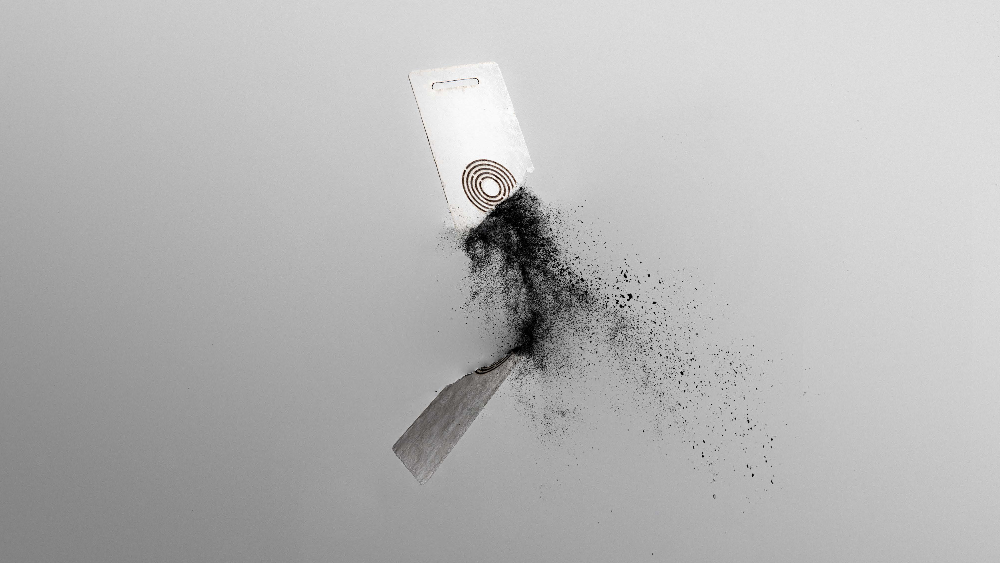
Chipless RFID lasered directly onto paper: identification without silicon, built through product identity, prototypes, pitch architecture, and partner-facing narrative.
Embodied Signal Systems
The body as an interface: EDA, pulse, and EMG mapped into fluid, form, and sound, with emotion treated as a continuous field rather than a category.
read a system
One method underneath every project: four moves.Pick a system and watch it being read.
{{ rObs }}
{{ rDec }}
{{ rTra }}
{{ rMat }}
about
Research-led design engineering: working from human, social, scientific, and technical investigation toward prototypes, interfaces, services, and system interventions that can be tested.
Five years of social philosophy and philosophy of mind: body, domination, identity, intelligence, consciousness, and technology. Training in how categories are built, how power hides inside language, and how systems decide what becomes legible.
World-leading design training in material, body, construction, surface, and identity, reading the body as a designed system before biological signals.
The through-line is not a discipline. It is the ability to enter complex systems before they are legible, find their structure, and make them usable.